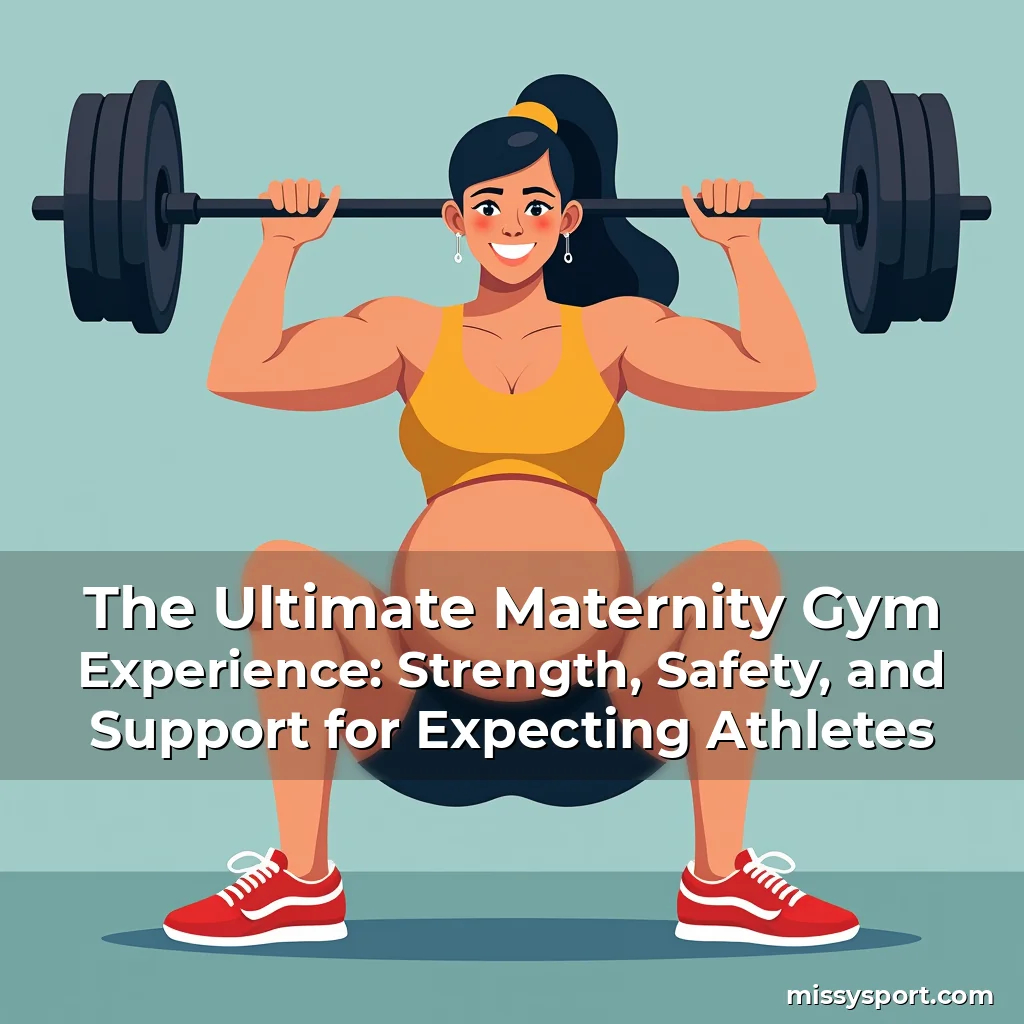
The Ultimate Maternity Gym Experience: Strength, Safety, and Support for Expecting Athletes
In an era where fitness is celebrated as both a lifestyle and a performance art, expecting mothers are redefining what it means to stay active during pregnancy. A maternity gym offers more than just exercise—it provides a sanctuary designed specifically for pregnant women who want to maintain their strength, stamina, and mental clarity while nurturing new life. Whether you’re training for your next marathon or simply seeking safe ways to remain in shape, these specialized spaces cater to the physical and emotional needs of expectant athletes.
This guide explores how maternity gyms differ from traditional fitness centers, highlights key benefits such as injury prevention and postpartum recovery support, and provides practical tips for making the most of your prenatal workout routine. From customized programs tailored to individual health conditions to supportive communities that celebrate progress over perfection, there’s never been a better time to embrace movement with purpose during motherhood.
Understanding What Makes a Maternity Gym Unique
A maternity gym isn’t merely a space with modified equipment; it represents a holistic approach to wellness that considers every stage of pregnancy. Unlike conventional gyms that may lack awareness of maternal physiology, these facilities prioritize safety by employing trainers certified in prenatal fitness and offering classes specifically curated for different trimesters. This distinction ensures that workouts align with hormonal fluctuations, cardiovascular changes, and evolving body mechanics experienced throughout gestation.
Moreover, maternity gyms often feature adaptive environments that accommodate growing bodies. For example, adjustable resistance machines allow users to modify intensity levels without straining joints affected by increased ligament laxity. Specialized flooring reduces impact forces during high-intensity interval training sessions, minimizing risk factors associated with pelvic instability commonly encountered later in pregnancy.
- Safety Protocols: Certified instructors implement real-time monitoring systems to adjust exercises based on fetal position and maternal heart rate variability.
- Ergonomic Design: Equipment layouts promote optimal posture alignment through strategically placed mirrors and non-slip surfaces near weightlifting stations.
Fitness Benefits of Prenatal Exercise Programs
Regular participation in structured prenatal exercise routines has been shown to significantly reduce complications related to gestational diabetes, hypertension, and preterm labor when executed under professional supervision. These programs combine low-impact aerobics with targeted muscle strengthening techniques aimed at preparing birthing muscles for delivery. By focusing on core stability rather than maximal hypertrophy, participants can build functional endurance essential for labor and postnatal recovery.
Clinical studies published in journals like the British Journal of Sports Medicine indicate that consistent moderate-intensity activity during pregnancy improves placental blood flow by up to 30%, enhancing nutrient transfer between mother and child. Furthermore, maintaining aerobic capacity helps prevent excessive weight gain patterns linked to cesarean delivery rates. In fact, research suggests that women who engage in regular prenatal exercise experience shorter labor durations by approximately 18 minutes compared to those leading sedentary lifestyles.
Scientific Backing Behind Prenatal Workouts
Data from longitudinal cohort studies reveal compelling trends regarding maternal-fetal outcomes correlated with structured prenatal fitness regimens. One notable finding shows reduced incidence of preeclampsia among participants adhering to twice-weekly sessions involving resistance band training combined with brisk walking intervals. Additionally, ultrasound assessments demonstrate enhanced fetal motor development in babies born to mothers participating in prenatal yoga programs featuring controlled breathing techniques.
Pediatric neurodevelopmental evaluations conducted six months after birth show improved cognitive milestones in infants whose mothers maintained consistent prenatal exercise habits. Researchers attribute these results to increased secretion of brain-derived neurotrophic factor (BDNF), which supports neural plasticity crucial for early childhood learning processes. Such findings underscore why maternity gyms play a vital role in promoting intergenerational well-being through proactive parental fitness engagement.
Selecting the Right Maternity Gym Program
Choosing an appropriate maternity gym program requires careful consideration of personal health history, current fitness level, and specific pregnancy-related concerns. Ideal candidates include individuals with uncomplicated pregnancies but also extend to those managing chronic conditions like asthma or type II diabetes under medical clearance. It’s advisable to consult with obstetricians before initiating any formal workout regimen to ensure compatibility with existing treatment plans.
When evaluating potential facilities, look beyond marketing materials to assess instructor qualifications thoroughly. Reputable maternity gyms typically employ staff holding certifications from organizations such as the American College of Sports Medicine (ACSM) or Pre & Postnatal Fitness Professionals International (PPFPI). These credentials signify rigorous training in anatomy-specific adaptations necessary for guiding expectant clients safely through various stages of pregnancy.
Essential Components of Effective Maternity Gym Routines
An effective maternity gym routine integrates diverse modalities addressing muscular balance, joint mobility, and psychological resilience simultaneously. Core stabilization exercises form the foundation, utilizing Pilates-based movements that strengthen transverse abdominis without compromising diastasis recti integrity. Concurrently, dynamic stretching sequences enhance flexibility around hips and shoulders—areas prone to restriction due to relaxin hormone surges.
Balancing cardiovascular conditioning with strength-building activities proves critical for sustaining metabolic efficiency throughout pregnancy. Low-impact options like aqua aerobics provide buoyancy-assisted resistance without undue stress on lower back structures. Meanwhile, circuit-style training incorporating kettlebells or medicine balls allows for progressive overload strategies while respecting physiological limitations imposed by increasing uterine mass.
Nutritional Integration Within Workout Plans
Optimal energy utilization during maternity gym sessions necessitates strategic nutritional timing aligned with hormonal shifts occurring across trimesters. For instance, consuming complex carbohydrates paired with lean protein sources prior to morning workouts counteracts cortisol spikes caused by prolonged fasting states. Similarly, intra-exercise hydration protocols become increasingly important as renal function adapts to accommodate higher fluid retention volumes typical in late-stage pregnancies.
Dietitians affiliated with reputable maternity gyms often recommend supplementing meals with iron-rich foods containing vitamin C enhancers—such as spinach sautéed with bell peppers—to combat potential anemia risks exacerbated by heightened oxygen demands. Personalized meal plans frequently emphasize omega-3 fatty acid intake via salmon consumption or flaxseed supplementation, supporting fetal neurological growth alongside maternal mood regulation.
Building Community Through Maternity Gym Participation
Beyond physical transformation, maternity gym memberships cultivate social networks instrumental in navigating parenthood transitions. Group classes foster camaraderie through shared experiences ranging from first-trimester fatigue management to post-delivery body confidence restoration efforts. Regular attendance encourages peer accountability mechanisms that sustain motivation even amidst fluctuating energy levels inherent to pregnancy progression.
Many facilities organize monthly meetups featuring guest speakers specializing in topics like breastfeeding nutrition or infant sleep training. These events create opportunities for knowledge exchange outside traditional workout contexts, transforming the gym environment into a multidisciplinary resource center focused on holistic maternal wellness. Online forums accessible through app platforms further expand connectivity possibilities beyond geographical constraints.
Mental Health Advantages of Maternity Gym Attendance
The psychological rewards of engaging in maternity gym programs rival their physical counterparts in significance. Endorphin release triggered by rhythmic exertion combats insomnia and anxiety symptoms common in early pregnancy phases. Structured goal-setting within session plans promotes sense of accomplishment that buffers against feelings of helplessness sometimes accompanying rapid bodily transformations.
Cognitive stimulation derived from learning new movement patterns enhances executive functioning abilities—an especially relevant benefit considering upcoming parenting responsibilities requiring multitasking proficiency. Moreover, mindfulness components integrated into many prenatal yoga practices aid in developing present-moment awareness skills useful for coping with unpredictable newborn schedules.
Postpartum Recovery Strategies Offered by Maternity Gyms
Recognizing that fitness journeys don’t end with childbirth, top-tier maternity gyms design seamless transition pathways from prenatal to postnatal programming. These continuity-focused approaches address immediate concerns like pelvic floor rehabilitation and abdominal muscle activation following cesarean deliveries or vaginal births with episiotomies. Personalized care plans often incorporate pelvic tilting drills and gentle core engagements suitable for initial recovery periods.
Gradual reintroduction of cardiovascular activities follows once healing progresses sufficiently. Modified versions of previously practiced routines enable participants to rebuild aerobic capacities without overexertion risks. As physical capabilities evolve, advanced offerings such as functional fitness circuits gradually emerge, mirroring developmental trajectories observed in general population post-partum cohorts.
Overcoming Common Challenges During Maternity Gym Sessions
Despite numerous advantages, expecting mothers might encounter obstacles hindering consistent attendance. Scheduling conflicts arising from work commitments or childcare arrangements pose significant barriers initially. However, flexible membership models allowing drop-in visits or virtual class access mitigate these issues effectively. Many gyms now offer hybrid solutions combining in-person instruction with streaming options for home practice convenience.
Physical discomforts manifesting unexpectedly require prompt attention from trained professionals. Adjustments to form technique or temporary modification of certain exercises usually resolve acute pain points efficiently. Open communication channels established between members and staff ensure swift resolution of emerging challenges without compromising long-term fitness objectives.
Future Trends Shaping Maternity Gym Evolution
Technological advancements promise to redefine maternity gym landscapes in coming years. Wearable biosensors capable of tracking fetal heart rate responses during maternal exercise could revolutionize personalized coaching methodologies. Virtual reality integration may soon facilitate immersive prenatal yoga experiences simulating natural birthing environments conducive to relaxation.
Artificial intelligence applications are already being tested for predicting musculoskeletal strain probabilities based on biomechanical data collected during workouts. These predictive analytics tools aim to preemptively adjust training loads according to individual risk profiles identified through machine learning algorithms analyzing vast datasets spanning thousands of pregnancies worldwide.
Conclusion
A maternity gym represents far more than a place to lift weights—it symbolizes empowerment, education, and connection for expectant parents embarking on transformative journeys toward parenthood. By integrating science-backed exercise principles with compassionate guidance, these spaces empower individuals to navigate pregnancy with confidence knowing they have expert support every step of the way.
To begin experiencing the full spectrum of benefits offered by maternity gym programs, consider scheduling an introductory consultation with certified specialists today. Your commitment to staying strong, informed, and connected during this special chapter of life starts with taking that very first step inside a welcoming facility dedicated exclusively to celebrating maternal athleticism.