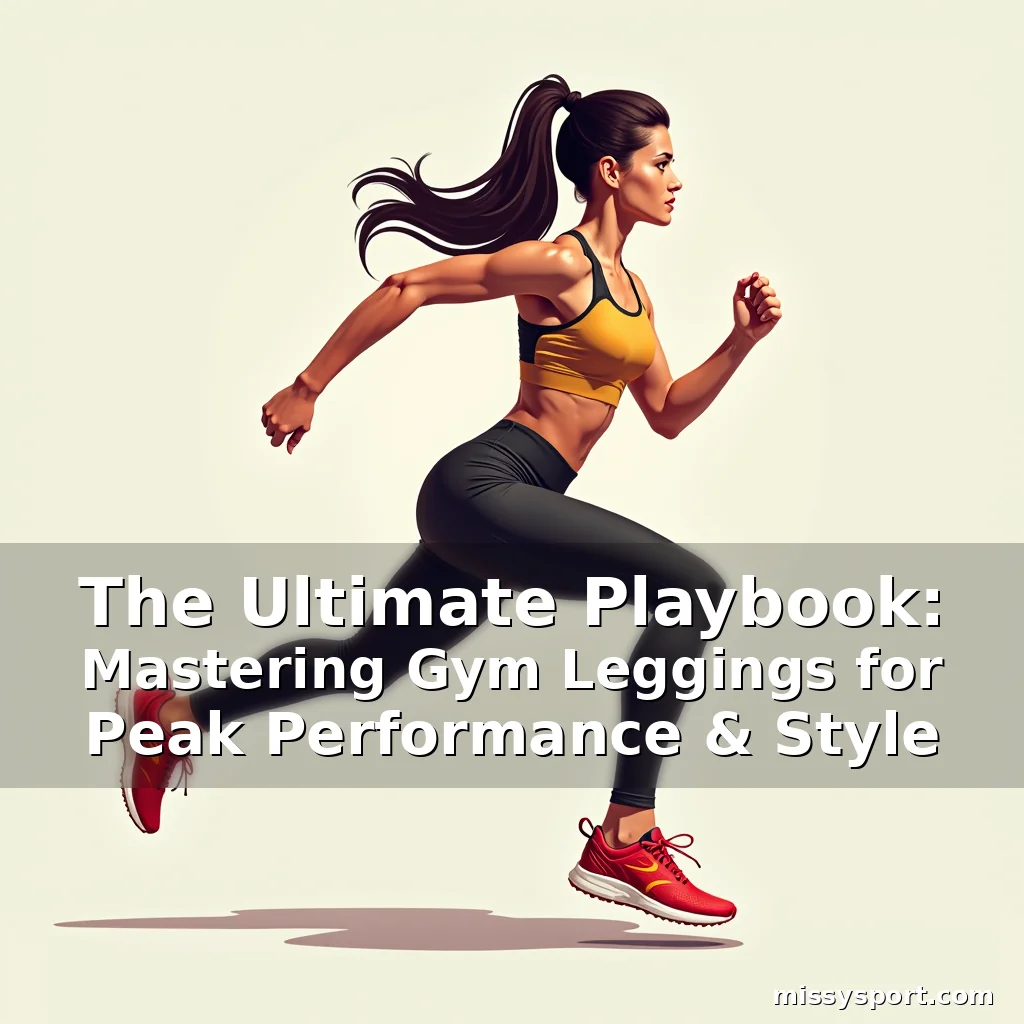
The Ultimate Playbook: Mastering Gym Leggings for Peak Performance & Style
Gym leggings have evolved from simple workout essentials into a cornerstone of modern fitness culture. Designed for athletes, trainers, and casual exercisers alike, these versatile pieces blend functional engineering with contemporary aesthetics. Whether you’re hitting the treadmill, lifting weights, or flowing through yoga poses, the right pair can transform your routine.
In recent years, advancements in textile technology have redefined what gym leggings can do. From moisture management to injury prevention, the innovations behind these garments reflect the growing demand for precision, durability, and comfort among active individuals worldwide.
Decoding the Science Behind High-Performance Gym Leggings
At the heart of quality gym leggings lies advanced fabric composition. Manufacturers now prioritize materials that balance flexibility, support, and breathability to meet diverse workout demands. These fabrics often combine synthetic fibers like polyester and spandex with natural components such as bamboo or Tencel for enhanced softness.
A typical pair of gym leggings contains anywhere from 60% to 90% polyester, chosen for its elasticity and resistance to wrinkles. Spandex, typically comprising 10%-20%, provides the stretchiness that allows for unrestricted movement. Natural fibers may be incorporated to add cooling effects or antimicrobial properties, depending on the brand’s design goals.
- Microfiber Technology: Fine weaves create a second-skin feel while preventing chafing during high-intensity workouts.
- Breathable Mesh Panels: Strategically placed ventilation zones combat sweat buildup, particularly in areas prone to overheating.
- Compression Features: Graduated compression supports muscles, reduces fatigue, and enhances recovery post-exercise.
The evolution of compression technology has been remarkable. Early versions offered rigid pres This advancement benefits runners, weightlifters, and anyone engaged in dynamic movements.
Manufacturers also integrate anti-microbial treatments into fabrics to prevent odor-causing bacteria growth. These finishes ensure leggings remain fresh longer, even after intense training sessions or extended wear periods.
Durability remains a top priority, with reinforced stitching along seams and stress points to withstand frequent use. Some brands incorporate seamless designs to eliminate friction-induced rips or tears, extending product lifespan significantly.
Lightweight yet resilient, modern gym leggings offer optimal protection against abrasions during outdoor activities like hiking or cycling. This dual-purpose functionality makes them indispensable for multi-sport athletes seeking versatility.
Elevating Your Workout Wardrobe: Styling Tips for Every Athlete
While performance is paramount, aesthetic appeal plays a significant role in shaping workout attire preferences. Thoughtful styling transforms gym leggings from mere utility items into expressive accessories that align with personal identity and motivation levels.
Color psychology suggests that vibrant hues boost energy and confidence, while neutral tones promote focus and calm. Choosing shades that match your mood or workout intensity can enhance mental preparedness for physical challenges ahead.
Cohesive layering strategies elevate outfit coordination. Pairing leggings with cropped tanks or fitted tees creates streamlined silhouettes ideal for strength training. Adding strategic accessories like sports bras with built-in pockets or adjustable waistbands offers added convenience without compromising form.
Trend Analysis: What’s Hot in Athletic Fashion?
Current trends emphasize bold geometric prints and gradient color transitions, reflecting a shift toward playful experimentation in serious workout environments. Brands like Lululemon and Nike frequently lead seasonal collections featuring abstract patterns designed to stand out during group classes or competitions.
Sustainability has influenced design choices, with increasing adoption of recycled nylon blends and organic cotton inserts. Eco-conscious consumers appreciate labels that transparently disclose sourcing practices and environmental impacts associated with garment production.
Customization options continue expanding, allowing buyers to personalize legging styles with embroidered initials or branded logos. This feature appeals to team members, club affiliates, and influencers seeking distinct visual identities during public events or social media engagements.
Futuristic developments include temperature-regulating fabrics that adapt to ambient conditions. Such innovations cater to athletes participating in extreme weather scenarios, providing insulation in cold climates while facilitating heat dissipation in warmer settings.
Choosing the Perfect Fit: Anatomy of Size Selection
Selecting the correct size involves understanding body measurements beyond standard clothing charts. Factors like muscle mass distribution, joint alignment, and preferred range of motion influence how snugly leggings should fit for maximum benefit.
Proper sizing prevents common issues such as bunching near the knees or restrictive pressure points around the hips. Ill-fitting leggings can cause discomfort, reduce circulation efficiency, and even contribute to minor musculoskeletal strain during prolonged exercise sessions.
Most reputable brands provide detailed measurement guides specifying inseam lengths, hip circumferences, and thigh widths. Comparing these metrics with your own dimensions ensures accurate selection, eliminating guesswork involved in traditional sizing systems.
Some manufacturers produce specialized lines catering to specific demographics, including maternity leggings for expectant mothers or adaptive designs for individuals requiring additional support due to medical conditions.
It’s advisable to try multiple sizes if uncertain, noting how each feels during various types of movement. Optimal compression occurs when leggings apply gentle pressure without causing pinching sensations or visible creases beneath the skin.
Remember that fit preferences vary widely among individuals. Someone prioritizing full-leg coverage may prefer longer cuts, whereas another person might favor shorter hemlines for ease of movement during floor exercises.
Maximizing Comfort: Key Considerations for Daily Wear
Beyond initial purchase, ongoing comfort depends heavily on laundering routines and storage habits. Following manufacturer guidelines preserves fabric integrity and maintains original performance characteristics over time.
Cold water wash cycles protect elastic fibers from degradation caused by excessive heat exposure. Using mild detergents free from harsh enzymes or bleach formulations safeguards against premature fabric breakdown, especially for colored garments prone to fading.
Proper drying techniques involve air-drying instead of using dryers whenever possible. Heat exposure can weaken bonding agents responsible for holding seams together, potentially leading to unraveling or tearing at stress points.
Folding versus hanging dried leggings minimizes risk of stretching deformation. Storing folded pairs inside drawers keeps them wrinkle-free, while hanging on padded hangers maintains shape without exerting undue tension on delicate knit structures.
Regular inspection for signs of wear such as pilling, fraying edges, or loss of elasticity indicates when replacement becomes necessary. Monitoring these indicators ensures continued safety and effectiveness during workouts.
Breaking Down Common Myths About Gym Leggings
Despite widespread popularity, misconceptions persist regarding appropriate usage and care protocols for gym leggings. Addressing these myths clarifies expectations and promotes better utilization of investment in premium activewear.
One prevalent belief holds that darker-colored leggings absorb more sweat than lighter ones. However, fabric composition determines absorption capacity far more than hue choice alone. Dark dyes actually serve as protective layers against UV damage and staining potential.
Contrary to assumptions, wearing two pairs of leggings does not inherently increase support or cushioning benefits. Instead, overlapping layers may restrict blood flow unnecessarily, defeating intended purposes of compression therapy.
Some people mistakenly think that higher thread counts always equate to superior quality. While finer threads enhance softness, excessively tight weaves sacrifice breathability, which is equally important for thermoregulation during physical exertion.
Leggings marketed as ‘non-slip’ should never be worn barefoot indoors unless explicitly stated otherwise. Most non-slip technologies rely on textured surfaces that could irritate sensitive skin or interfere with foot positioning during balance-focused exercises.
Comparative Review: Top Gym Legging Brands Explained
The competitive landscape features numerous standout brands offering distinctive approaches to meeting consumer needs. Understanding core philosophies behind each company aids in identifying products best aligned with individual priorities.
Lululemon excels in combining technical specifications with fashionable presentation, appealing primarily to urban professionals engaged in boutique-style fitness programs. Their signature Luxtreme fabric promises exceptional durability alongside elegant aesthetics.
Nike focuses on maximizing performance gains through biomechanical research investments. Signature models incorporate Dynamic Fit technology that conforms precisely to anatomical contours, enhancing stability during explosive movements like plyometrics or sprint intervals.
Under Armour distinguishes itself through innovative moisture transport systems that rapidly wick away perspiration. Their HeatGear line demonstrates particular efficacy in regulating body temperatures during hot-weather conditioning sessions.
Puma targets younger demographics with trend-driven collaborations involving pop culture icons and digital artists. Their Streetwear collection merges sportswear fundamentals with street style flair, attracting attention-seeking customers who value visibility above all else.
Adidas positions itself as a bridge between classic German engineering heritage and forward-thinking design principles. Primeknit technology enables customized fits that adjust dynamically according to wearer posture changes throughout varied activities.
Patagonia represents an ethical alternative emphasizing environmental responsibility. Their Recycled Polyester leggings demonstrate commitment to reducing ecological footprint while maintaining rigorous standards for mechanical resilience.
Future Innovations Shaping Next-Generation Leggings
Ongoing technological breakthroughs promise transformative enhancements across multiple domains affecting both athletic performance and everyday usability of gym leggings. Emerging trends suggest greater integration of smart textiles capable of real-time physiological monitoring capabilities.
Researchers are developing conductive yarns embedded within leggings that track biometric data such as heart rate variability, oxygen saturation levels, and lactate accumulation thresholds. Wireless connectivity enables seamless synchronization with mobile apps for personalized training adjustments.
Self-healing polymers represent another frontier being explored, promising automatic repair mechanisms that extend garment life expectancy dramatically. Initial prototypes show promise in restoring torn seams or damaged fiber networks without external intervention.
Biodegradable alternatives aim to mitigate microplastic pollution concerns arising from conventional synthetic fabric waste streams. Companies experimenting with mycelium-based materials envision fully compostable leggings that decompose naturally after end-of-life phases.
Haptic feedback systems integrated into leggings could revolutionize rehabilitation therapies by delivering precise stimulation cues during physical therapy sessions. These responsive interfaces assist patients recovering from orthopedic injuries through guided muscle activation sequences.
Smart fabric sensors detecting abnormal gait patterns warn users about potential injury risks in real time, promoting preventive healthcare measures through early identification of biomechanical irregularities.
Conclusion
Gym leggings transcend their utilitarian origins to become multifaceted tools supporting holistic wellness journeys. By blending scientific rigor with artistic expression, these garments empower individuals to pursue fitness goals confidently and comfortably.
Investing wisely in high-quality leggings pays dividends through improved performance outcomes, reduced recovery times, and enhanced overall satisfaction with workout regimens. Prioritize features matching your specific activity profiles to unlock maximal benefits from every session spent in your favorite pair of leggings.