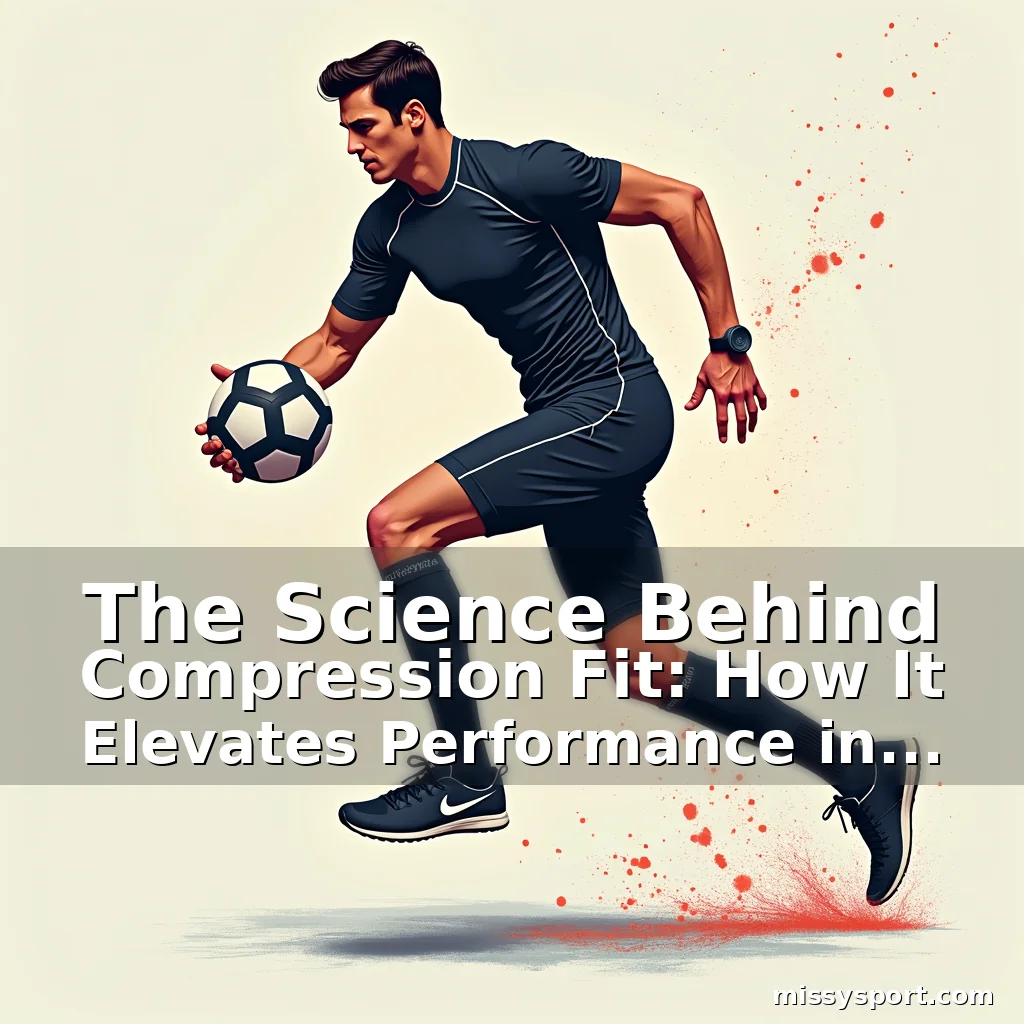
The Science Behind Compression Fit: How It Elevates Performance in Sports and Fitness
In an era where athletes are constantly seeking every possible edge, compression fit technology has emerged as a game-changer. This specialized garment design isn’t just about aesthetics—it’s rooted in scientific principles that enhance performance, aid recovery, and reduce injury risks.
Made from high-performance materials such as spandex, nylon, and polyester blends, compression clothing offers targeted pressure across different muscle groups. This engineered support can significantly impact both training effectiveness and post-exercise recuperation, making it essential for serious competitors and fitness enthusiasts alike.
Understanding the Mechanics of Compression Fit Technology
At its core, compression fit works by applying controlled pressure to muscles, fascia, and connective tissues. This external force promotes improved blood circulation, which is crucial during intense physical activity when oxygen delivery to working muscles becomes vital.
Studies have shown that wearing compression garments during exercise increases venous return—the process through which deoxygenated blood flows back to the heart. Enhanced venous return means faster removal of metabolic waste products like lactic acid, potentially delaying fatigue onset.
- Blood Circulation Boost: The graduated compression system ensures tighter pressure at the extremities, gradually decreasing towards the torso, aiding efficient fluid movement within the body.
- Temperature Regulation: Many compression wear brands incorporate moisture-wicking fabrics that help maintain optimal skin temperature, preventing overheating and ensuring comfort during long workouts.
Performance Enhancement Through Targeted Support
Compression clothing provides structural reinforcement to key areas prone to strain, reducing unnecessary muscle oscillation. By minimizing excessive movement, these garments allow athletes to channel energy more effectively toward their intended motion rather than wasting effort on internal muscle vibrations.
This reduction in muscle oscillation translates to increased stability, especially beneficial for runners, cyclists, and weightlifters who rely heavily on consistent form and power output. For example, marathon runners often report feeling more stable on uneven surfaces while wearing compression tights.
A study published in the Journal of Strength and Conditioning Research found that participants wearing knee sleeves experienced greater proprioception—enhanced awareness of joint position—which could lead to better technique execution under fatigue conditions.
Moreover, the snug fit of compression gear acts as a second layer of muscle tissue, helping prevent minor injuries caused by overstretching or improper alignment. This protective effect is particularly noticeable in sports involving sudden directional changes, like basketball or soccer.
Recovery Benefits: Accelerating Post-Exercise Rehabilitation
One of the most well-documented advantages of compression wear lies in its role during the recovery phase after strenuous workouts. By promoting continuous blood flow, these garments assist in flushing out toxins and delivering nutrients necessary for muscle repair processes.
Research conducted by the University of Sydney demonstrated that individuals who wore full-body compression suits following resistance training sessions showed reduced swelling and soreness compared to those without any additional support. This suggests potential applications for anyone engaged in regular strength-based regimens.
Additionally, some advanced compression products utilize thermoregulatory properties to create micro-climates around specific muscle groups, facilitating quicker healing responses by maintaining ideal cellular function temperatures.
While there may still be debate regarding how much exactly compression contributes to accelerated recovery rates, anecdotal evidence from professional teams worldwide indicates widespread adoption due to perceived benefits among players recovering from various types of soft-tissue damage.
Fabric Innovations Driving Modern Compression Wear Evolution
The evolution of compression technology has been closely tied to advancements in textile engineering. Today’s best-performing compression gear integrates fibers designed specifically for dynamic flexibility alongside breathability features that prevent sweat buildup.
Polyester-elastane blends remain popular choices because they offer excellent stretch recovery characteristics while resisting deformation even after repeated use. However, emerging fabric technologies now include nanotechnology-infused textiles that promise enhanced antimicrobial protection against odor-causing bacteria.
Sports scientists continue experimenting with multi-layer constructions containing varying degrees of compressiveness tailored to individual biomechanics. Customization options enable users to select precisely calibrated levels of support depending upon their sport-specific requirements.
Some manufacturers also embed conductive threads capable of monitoring physiological parameters such as heart rate variability and hydration status in real time—an exciting frontier blending wearable tech with traditional athletic apparel functions.
Selecting the Right Compression Garments for Your Needs
Choosing appropriate compression wear requires understanding personal goals whether aimed primarily at boosting performance metrics or focusing instead on maximizing recovery efficiency. Different activities demand distinct configurations ranging from light support t-shirts suitable for casual gym sessions up to highly supportive full-length leggings used extensively by endurance athletes.
It is advisable to consult professionals familiar with musculoskeletal physiology before investing heavily in particular styles; physiotherapists or certified trainers can provide personalized recommendations based upon assessment findings related to posture imbalances or existing vulnerabilities.
Variations exist not only between upper versus lower body implementations but also according to gender-specific anatomical differences requiring bespoke sizing solutions available increasingly online through virtual fitting tools powered by AI algorithms analyzing body measurements captured via smartphone cameras.
To ensure maximum efficacy from your investment, always opt for certified products meeting international standards set forth by organizations like ISO or ASTM International which guarantee quality assurance measures covering everything from material composition tests down to durability assessments performed under simulated stress scenarios.
Differentiating Between Types Of Compression Clothing And Their Specific Applications
There exists considerable variation among categories of compression garments each serving unique purposes aligned with differing aspects of human kinetics involved in physical exertion. Recognizing distinctions helps optimize selection decisions made pre-purchase stages.
For instance, sleeveless tops typically target core stabilization mechanisms whereas full-coverage jerseys might emphasize trunk flexion control pertinent mainly to rowers needing precise lumbar engagement regulation. Understanding these nuances enables more accurate matching between user profiles and product offerings.
Categorically speaking, general-purpose items such as base layers serve dual roles encompassing thermal insulation alongside moderate muscular containment sufficient enough supporting everyday exercise routines without imposing undue restriction limitations affecting range-of-motion capabilities.
On the other hand, task-oriented variants crafted explicitly for contact sports feature reinforced padding zones strategically placed over vulnerable joints commonly subjected to trauma incidents occurring frequently amidst competitive environments demanding heightened defensive maneuvers executed rapidly.
Current Trends Shaping Future Directions In Compression Apparel Development
Evolving consumer expectations drive continual innovation cycles shaping contemporary compression market landscapes characterized by rapid technological integrations aiming to bridge gaps between conventional fitness accessories and next-generation smart textiles.
Recent developments spotlight integration efforts combining biometric tracking functionalities embedded seamlessly within fabric matrices allowing simultaneous collection of critical health data points including respiration frequency fluctuations and capillary refill times indicative early warning signs preceding onset of hypoperfusion states.
Furthermore, sustainability initiatives gain traction prompting eco-conscious enterprises pursuing closed-loop manufacturing models incorporating recycled polymer feedstocks derived from ocean plastics transforming waste streams into viable raw materials applicable across diverse apparel sectors.
Personalized customization services represent another growing trend wherein consumers request bespoke designs reflecting individual preferences concerning color palettes combined with medically prescribed pressure gradients tailored strictly adhering clinical guidelines established regulatory bodies overseeing therapeutic application protocols.
Addressing Common Misconceptions About Compression Wear Usage
Despite rising popularity, misconceptions persist surrounding correct usage practices associated with compression garments leading occasionally misinformed utilization patterns hindering realization of intended benefits.
Contrary to belief held by many novices assuming higher compression equates better results, overzealous application can actually impede natural vascular dynamics causing adverse effects manifesting symptoms resembling compartment syndrome—a condition marked elevated intracompartmental pressures damaging nerve structures.
Properly fitted garments should feel firm yet comfortable never reaching point eliciting sensations similar pinching or constricting feelings restricting normal breathing rhythms essential sustaining adequate aerobic capacity required prolonged cardiovascular engagements typical endurance pursuits.
Additionally, contrary myth suggesting complete reliance solely upon mechanical supports neglects importance foundational elements comprising progressive overload methodologies integral developing robust neuromuscular coordination patterns fundamental mastering complex motor skills inherent elite level performances.
Long-Term Health Implications Associated With Regular Use Of Compression Gear
As with any medical intervention tool, extended exposure warrants scrutiny evaluating cumulative impacts arising sustained interaction interfaces between synthetic polymers and biological systems hosting them continuously.
Ongoing research investigates potential dermatological consequences resulting chronic friction abrasions caused persistent surface interactions generating microtraumas predisposing susceptible populations risk developing intertrigo lesions prevalent moist warm folds regions exposed frequent rubbing motions characteristic daily wear scenarios.
Preliminary studies indicate positive correlations between habitual use enhanced lymphatic drainage efficiencies observed subjects undergoing rigorous training programs utilizing consistently compression-assisted regeneration strategies aligning findings theoretical frameworks propounded circulatory physiology literature decades past.
However, caution remains advised regarding long-term dependency concerns particularly among recreational users accustomed relying externally applied stimuli fulfilling innate sensory feedback loops normally provided intact proprioceptive networks functioning optimally healthy individuals devoid pathologies impairing neural transmission pathways.
Conclusion
Compression fit represents more than fashionable accessory—it stands testament evolving synergy science engineering striving elevate human performance limits through intelligent garment innovations. Whether goal enhancing workout intensity or expediting post-exertional restoration phases, strategic implementation proven effective approaches validated extensive empirical investigations spanning numerous disciplines intersecting kinesiology biomedical engineering fields.
By embracing thoughtful integration cutting-edge textile advances coupled mindful adherence technical specifications outlined herein, members MissySport community empowered unlock untapped potentials residing latent capacities dormant waiting activation precise conditions enabled optimized biomechanical environments fostered through judicious employment scientifically grounded compression solutions tailored individual needs objectives.