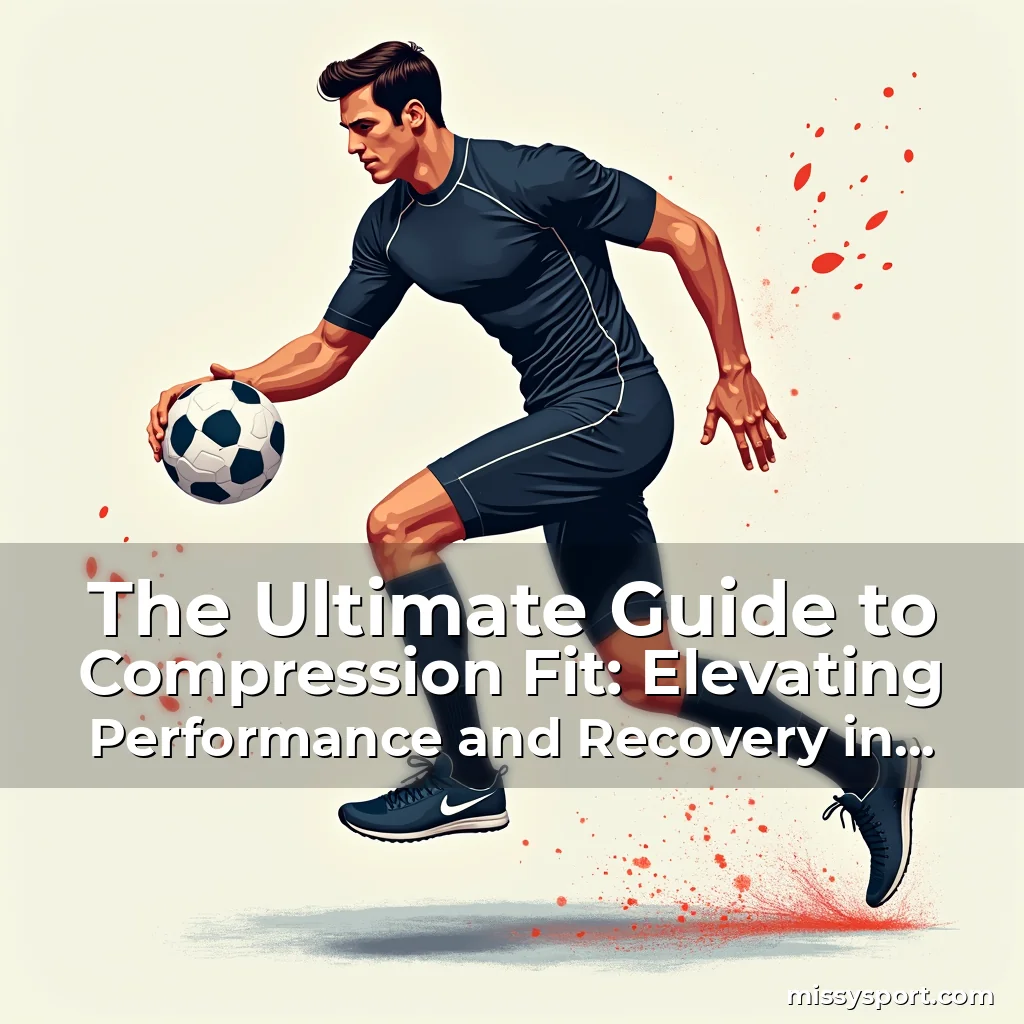
The Ultimate Guide to Compression Fit: Elevating Performance and Recovery in Sports
In today’s high-performance athletic world, compression fit has become an essential component for serious athletes and fitness enthusiasts alike. This specialized type of clothing is designed to enhance performance while aiding recovery, making it a staple for those pushing their limits during training and competition.
Made from advanced materials that apply targeted pressure to muscles and joints, compression fit garments offer numerous benefits beyond simple comfort. From improving circulation to reducing muscle fatigue, these articles of sportswear have transformed how we approach both pre-game preparation and post-exercise recovery.
Understanding Compression Fit Technology
Compression fit technology relies on scientifically engineered fabrics that provide graduated pressure across different parts of the body. These garments are typically made using synthetic fibers like polyester, nylon, and spandex, which combine elasticity with durability.
The key principle behind compression fit lies in its ability to support muscle groups without restricting movement. By applying consistent yet gentle pres
Modern compression wear often incorporates moisture-wicking properties alongside temperature regulation features. This combination ensures that athletes stay dry and comfortable even during intense workouts or prolonged periods of exertion.
- Fabric composition: High-quality compression gear uses blends containing at least 80% elastic fiber content for effective muscle support
- Graduated compression: Pressure levels vary depending on proximity to the heart, promoting better venous return and circulation
Performance Benefits of Compression Fit Clothing
Athletes who regularly wear compression fit apparel report improved endurance levels during training sessions. The supportive nature of these garments helps delay onset of muscle fatigue by stabilizing soft tissues around active joints.
Scientific studies suggest that wearing compression clothing can lead to enhanced oxygen delivery to working muscles. This increased efficiency allows athletes to perform longer before experiencing signs of exhaustion.
During high-intensity interval training (HIIT) routines, compression gear plays a crucial role in maintaining core stability. By providing additional support to abdominal regions, these garments contribute to better form execution throughout each exercise repetition.
Many professional teams now incorporate compression wear as part of standard pre-match warm-ups. Coaches recognize the value of this equipment in preparing players physically and mentally for peak performance conditions.
Recovery Advantages of Compression Garments
Post-exercise recovery is significantly accelerated when athletes utilize compression fit clothing after training or competitions. The sustained pressure applied to muscles promotes faster removal of metabolic waste products accumulated during physical exertion.
Clinical research indicates that individuals wearing compression garments experience reduced delayed onset muscle soreness (DOMS). This effect becomes particularly noticeable within 24-48 hours following strenuous workout sessions.
By enhancing lymphatic drainage systems, compression wear aids in eliminating toxins more efficiently than traditional recovery methods alone. This process contributes to quicker overall recovery times between training cycles.
Data-Driven Insights on Recovery Efficiency
Studies published in reputable sports medicine journals consistently show that regular use of compression garments reduces perceived pain levels by up to 30%. Athletes also report feeling less fatigued when returning to subsequent training sessions.
One controlled experiment involving marathon runners found that participants wearing compression tights experienced lower rates of muscle damage markers compared to those wearing conventional athletic attire. These findings highlight the effectiveness of compression technology in injury prevention protocols.
Selecting the Right Compression Fit Gear
Choosing appropriate compression fit clothing requires careful consideration of several factors including garment type, compression level, and intended usage scenarios. Different activities demand varying degrees of muscular support and flexibility requirements.
For general fitness purposes, moderate compression levels (around 15-20 mmHg) prove sufficient for most users. However, elite athletes competing in endurance events may benefit from higher compression ratings (up to 30 mmHg) tailored specifically for their needs.
It’s essential to prioritize quality over price when purchasing compression wear. Inferior products often lack proper gradient compression patterns, resulting in ineffective muscle stabilization and potential discomfort issues.
To ensure accurate sizing, measure key body dimensions before placing any orders online. Proper fit guarantees maximum therapeutic effects without compromising mobility or comfort during physical activities.
Common Misconceptions About Compression Fit
Some people mistakenly believe that all compression garments serve identical functions regardless of design differences. In reality, various types cater to specific anatomical regions with distinct construction techniques.
Another prevalent myth suggests that tighter compression always equates to greater benefits. While some degree of pressure provides advantages, excessively tight clothing can restrict blood flow and cause adverse physiological responses.
Not everyone experiences immediate improvements upon first wearing compression gear. Individual variations in physiology mean that results might take time to manifest fully through consistent use over extended periods.
Comparing Compression Fit vs Traditional Athletic Wear
Traditional athletic wear focuses primarily on breathability and basic motion freedom rather than offering medical-grade compression benefits. While functional for casual exercise, these items lack the precision engineering found in purpose-built compression garments.
Unlike conventional gym clothes, compression wear actively engages musculoskeletal structures through calculated pressure gradients. This feature distinguishes them as tools capable of influencing actual physiological processes during physical exertion.
Sports scientists recommend pairing compression gear with other recovery modalities such as ice baths or foam rolling for synergistic effects. Combining these approaches maximizes rehabilitation outcomes after demanding workout regimens.
Top Brands Leading the Compression Fit Innovation
Several companies specialize in developing cutting-edge compression technologies suitable for diverse athletic populations. Innovations range from smart fabric integration to customizable pressure zones based on individual biomechanics.
Leading manufacturers invest heavily in research partnerships with universities and medical institutions. Collaborative efforts result in continuously evolving product lines incorporating latest scientific discoveries related to human physiology and kinesiology.
When selecting brands, look for certifications indicating compliance with international standards governing textile safety and ergonomic specifications. Reputable producers adhere strictly to rigorous manufacturing guidelines ensuring reliable performance characteristics.
Proper Care and Maintenance Tips
Prolonged lifespan of compression garments depends largely on correct washing procedures. Always follow manufacturer instructions regarding water temperature recommendations and detergent compatibility.
Handwashing preserves fabric integrity better than machine agitation, especially for delicate microfiber constructions used in many premium compression items. If using a washer, opt for gentle cycles avoiding excessive spinning motions.
Avoid exposing compression wear to direct sunlight for extended durations. UV radiation degrades elastic components overtime, diminishing original performance capabilities prematurely.
Store folded garments flat instead of hanging to prevent stretching deformities that could compromise structural integrity over time. Keeping them away from sharp objects prevents accidental snags damaging sensitive material layers.
Future Trends in Compression Fit Technology
Ongoing advancements in nanotechnology promise next-generation compression solutions integrating self-healing polymers resistant to abrasions caused by repeated workouts.
Smart textiles embedded with sensors enable real-time monitoring of vital signs such as heart rate variability and hydration status. These innovations allow personalized feedback guiding optimal training intensity adjustments dynamically.
Biodegradable alternatives are being developed to address environmental concerns associated with synthetic fiber production processes commonly employed in current compression wear manufacturing chains.
Virtual fitting applications utilizing augmented reality will soon revolutionize consumer shopping experiences by allowing precise digital simulations of garment fit prior to purchase decisions.
Conclusion
Compression fit has firmly established itself as a critical element within modern sports science practices. Its multifaceted benefits span performance enhancement, injury prevention, and accelerated recovery timelines across various athletic disciplines.
Whether you’re a weekend warrior or a professional athlete, investing in well-designed compression wear offers tangible advantages that extend beyond mere aesthetics. Prioritize quality selection and proper care maintenance to maximize long-term returns on your investment in this transformative piece of sporting equipment.