
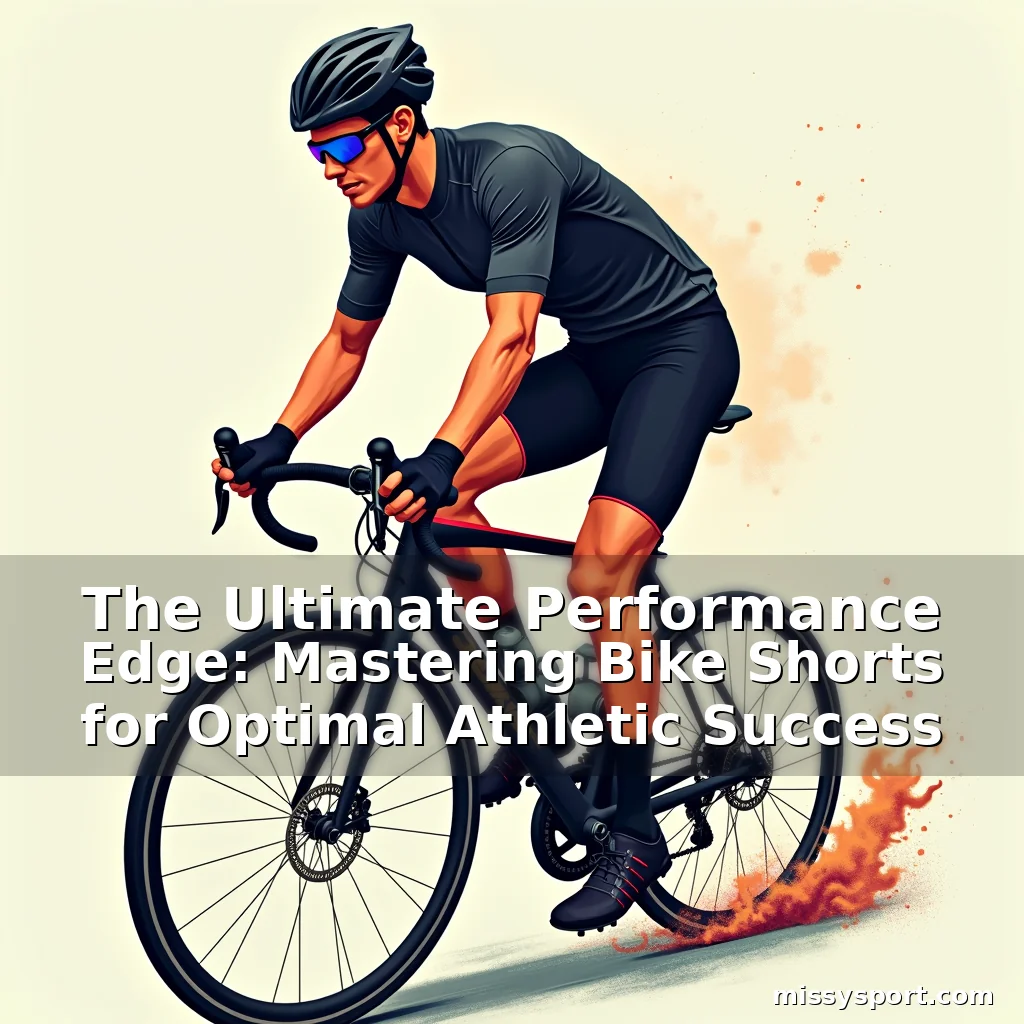
The Ultimate Performance Edge: Mastering Bike Shorts for Optimal Athletic Success
Bike shorts have evolved from simple cycling attire to essential performance gear that can make or break an athlete’s success on the road or track. For serious cyclists and fitness enthusiasts, choosing the right pair isn’t just about comfort—it’s about unlocking peak physical potential through advanced fabric technology, ergonomic design, and targeted support systems.
This comprehensive guide explores how modern bike shorts are engineered to enhance performance while reducing fatigue during intense training sessions or competitive races. We’ll uncover the science behind compression fabrics, chamois padding innovation, breathability technologies, and how these features work together to transform your riding experience.
The Evolution of Cycling Shorts Through Technological Innovation
In the early days of cycling, riders wore standard cotton pants designed for everyday use rather than specialized athletic wear. These garments quickly proved inadequate as they absorbed sweat, lost shape after washing, and restricted movement during high-intensity efforts. The limitations of traditional materials became evident when professional cyclists began seeking solutions that could match their growing demands for performance enhancement.
By the late 1980s, manufacturers started experimenting with synthetic fibers that offered superior moisture management and flexibility compared to natural textiles. This marked a turning point in cycling apparel development, leading to the creation of the first generation of performance-focused bike shorts featuring elastic waistbands, flatlock seams, and breathable mesh panels strategically placed across key areas.
- Fabric composition: Modern bike shorts incorporate blends of polyester, nylon, and spandex to balance durability, elasticity, and moisture-wicking properties
- Seam construction: Flatlock stitching minimizes skin irritation by eliminating raised seams that cause friction against the body
Cutting-edge developments in material science continue to drive innovation, with companies now integrating antimicrobial treatments, UV protection, and even temperature-regulating microfibers into their designs. These advancements ensure that today’s athletes benefit from garments that not only perform better but also last longer under demanding conditions.
Understanding Compression Technology in High-performance Bike Shorts
Compression technology has become a game-changer in athletic wear, offering numerous benefits beyond mere aesthetics. When applied correctly, graduated pressure zones within bike shorts help improve circulation, reduce muscle oscillation, and promote faster recovery between rides. This makes them particularly popular among endurance cyclists who require sustained energy output over long distances.
The strategic placement of compression bands along the thighs and hips creates a supportive structure that enhances proprioception—the body’s ability to sense its position in space. This heightened awareness allows riders to maintain better form without conscious effort, ultimately improving overall efficiency during each pedal stroke.
Scientific Basis for Compression Benefits
Studies published in the Journal of Strength and Conditioning Research show that properly fitted compression garments can increase venous return by up to 26%, which helps remove metabolic waste products more efficiently from working muscles. This accelerated removal process reduces post-exercise soreness and enables quicker reactivation of fast-twitch muscle fibers during subsequent workouts.
Additionally, research conducted at the University of Sydney found that compression clothing significantly lowers the risk of muscle cramps by maintaining optimal neuromuscular function. Cyclists wearing compression shorts experienced fewer instances of involuntary muscle contractions during prolonged exertion compared to those using conventional cycling attire.
Chamois Padding Engineering: Balancing Comfort and Functionality
The most critical component of any quality bike short is the chamois pad—an anatomically contoured cushioning system designed specifically for bicycle saddles. Unlike regular seat cushions used in chairs or cars, a well-engineered chamois distributes pressure evenly across sensitive tissues while minimizing friction between the skin and saddle surface.
Modern chamois pads feature multi-density foam layers combined with gel inserts positioned precisely where pressure points occur naturally during pedaling motion. This layered approach ensures adequate shock absorption without compromising aerodynamic efficiency, allowing riders to maintain speed without discomfort.
- Anatomical shaping: Premium chamoises follow the natural curves of male and female anatomy for personalized fit and support
- Pressure mapping: Advanced engineering techniques allow manufacturers to create custom pressure profiles tailored to different riding styles and positions
Some elite-grade chamois incorporate ventilation channels cut into the foam core to facilitate airflow circulation beneath the pad. This innovative design prevents excessive sweating and keeps the area dry throughout extended rides, reducing the risk of chafing and bacterial growth associated with damp environments.
Breathability Technologies That Keep You Cool Under Pressure
As athletes push themselves harder during training and competition, managing body heat becomes crucial for sustaining peak performance levels. Leading brands invest heavily in developing breathable mesh panels embedded within bike shorts’ fabric structures to maximize air flow while retaining structural integrity.
These strategically placed mesh zones act as thermal regulators, drawing excess perspiration away from the skin surface toward outer layers where it evaporates more effectively. Some advanced systems utilize phase-change materials that absorb latent heat energy before gradually releasing it back into the environment—a concept borrowed from NASA’s space suit technology.
How Breathable Fabrics Enhance Aerodynamics
Aerodynamic optimization plays a significant role in competitive cycling, where every second counts towards victory. Manufacturers engineer breathable fabrics not only for cooling purposes but also to minimize drag caused by turbulent air flow around limbs and torso regions.
Through computational fluid dynamics modeling, designers identify optimal panel placements that disrupt airflow patterns without sacrificing ventilation effectiveness. This dual-purpose approach results in bike shorts that feel lighter and move more freely with the rider’s body movements, contributing to improved overall speed and agility.
Choosing the Right Fit: A Science-Based Approach
Selecting the correct size is paramount when investing in high-quality bike shorts since improper fitting can negate many of the technological advantages built into contemporary designs. While some may assume that tighter is always better, experts warn against overly restrictive garments that compromise blood flow and restrict range of motion necessary for efficient pedaling mechanics.
To determine ideal sizing, professionals recommend measuring both thigh circumference and inseam length separately rather than relying solely on standard pant sizes. This method accounts for variations in leg proportions among individuals and ensures accurate placement of key functional elements such as compression zones and chamois positioning.
- Sizing charts: Reputable brands provide detailed measurement guides showing exact dimensions corresponding to various garment sizes
- Fitting test: Before purchasing new bike shorts, try them on while standing upright and performing simulated pedaling motions to check for bunching or restriction issues
For cyclists participating in triathlon events requiring transitions between biking and running segments, seamless constructions become especially important. Seamless bike shorts eliminate the need for additional layering pieces that might interfere with smooth transitions or create unwanted bulkiness during quick changeovers.
Maintenance Practices That Extend Product Lifespan
Prolonged exposure to harsh detergents, hot water cycles, and improper storage methods can rapidly degrade the technical properties of modern bike shorts. To preserve compressive qualities, breathability characteristics, and chamois integrity, following manufacturer-recommended care instructions is essential.
Washing bike shorts in cold water using mild detergent formulated for synthetic fibers helps retain color vibrancy and maintains the original stretch capabilities of the fabric blend. It’s advisable to avoid fabric softeners altogether since they coat fiber surfaces and diminish moisture-wicking performance over time.
- Drying techniques: Air drying is preferable to machine drying which can cause shrinkage or damage delicate components like chamois padding
- Storage recommendations: Store clean bike shorts folded neatly inside breathable garment bags instead of hanging them where gravity could distort shapes permanently
Regular inspection routines should include checking for signs of pilling—small fuzzy balls formed on fabric surfaces due to abrasion—and replacing worn-out chamois pads promptly. These maintenance steps collectively contribute to maximizing investment value by ensuring consistent performance across multiple seasons of use.
Eco-conscious Innovations Reshaping the Future of Bike Short Manufacturing
The environmental impact of athletic apparel production has led to remarkable innovations aimed at creating sustainable alternatives without compromising performance standards. Companies now experiment with recycled ocean plastics transformed into high-strength fibers suitable for constructing durable yet eco-friendly bike shorts.
Biodegradable chamois padding made from plant-based polymers represents another breakthrough in green technology. These environmentally responsible choices not only appeal to conscientious consumers but also align with broader industry trends moving toward circular economy models focused on reducing textile waste.
Carbon Footprint Reduction Strategies
Manufacturers implement carbon offset programs by partnering with renewable energy providers who supply electricity used during production processes. Additionally, localized manufacturing facilities reduce transportation emissions associated with shipping finished goods internationally.
Some brands go further by incorporating closed-loop recycling systems where old bike shorts get collected for repurposing into new garments or other useful products. This holistic approach addresses sustainability concerns while still delivering top-tier performance attributes expected from premium cycling apparel.
Customization Options for Personalized Performance Optimization
Recognizing individual differences in physiology and riding style, select manufacturers offer customization services enabling customers to tailor specific aspects of their bike shorts according to personal requirements. From adjustable compression levels to bespoke chamois configurations, these options cater to niche needs often overlooked by mass-produced items.
Professional cyclists frequently opt for customized shorts featuring uniquely shaped chamoises calibrated to accommodate distinct pelvic geometries. Such precision fittings optimize weight distribution and pressure dispersion patterns based on biomechanical assessments performed by sports scientists specializing in human kinetics.
- Color matching: Custom orders sometimes allow selecting preferred hue combinations that reflect team colors or personal preferences
- Functional enhancements: Additional features like integrated pockets for gels or GPS devices can be incorporated upon request
Advancements in digital scanning technologies enable precise three-dimensional modeling of users’ lower bodies, facilitating highly accurate virtual simulations before finalizing actual product specifications. This level of personalization ensures that each cyclist receives equipment perfectly aligned with their unique physiological profile and activity demands.
Comparative Analysis: Traditional vs. Next-generation Bike Shorts
While classic cotton-based cycling shorts remain available for casual riders, they pale in comparison to next-generation performance-oriented models regarding functionality and longevity. Conventional designs suffer from rapid deterioration caused by frequent laundering, limited breathability, and lack of anatomical support inherent in newer iterations.
Next-generation bike shorts integrate smart textiles capable of monitoring vital signs such as heart rate variability and muscle oxygen saturation levels during rides. These real-time data collection capabilities empower athletes to fine-tune workout intensity thresholds and detect early indicators of fatigue or injury risks.
- Data integration: Connectivity features allow synchronization with mobile apps tracking progress metrics and suggesting adaptive training regimens
- Self-adjusting mechanisms: Experimental prototypes explore dynamic compression adjustments responding automatically to changes in workload or ambient temperatures
From biometric feedback loops to self-cleaning nanofibers, the future promises continued evolution in what we consider basic cycling attire. As scientific understanding deepens alongside technological capabilities, expect ongoing refinements enhancing both comfort and competitiveness simultaneously.
Conclusion
Mastering the art of selecting and utilizing high-performance bike shorts equips athletes with tangible tools that elevate their training outcomes and racing performances. By appreciating the intricate interplay between fabric science, anatomical design principles, and maintenance best practices, cyclists unlock untapped reservoirs of strength and stamina previously thought unattainable through conventional means alone.
Whether you’re preparing for a local criterium event or embarking on a cross-country tour, prioritizing quality bike shorts becomes an integral part of achieving athletic excellence. With informed decision-making grounded in technical knowledge and practical application strategies, every ride transforms into an opportunity for measurable improvement and enduring satisfaction.